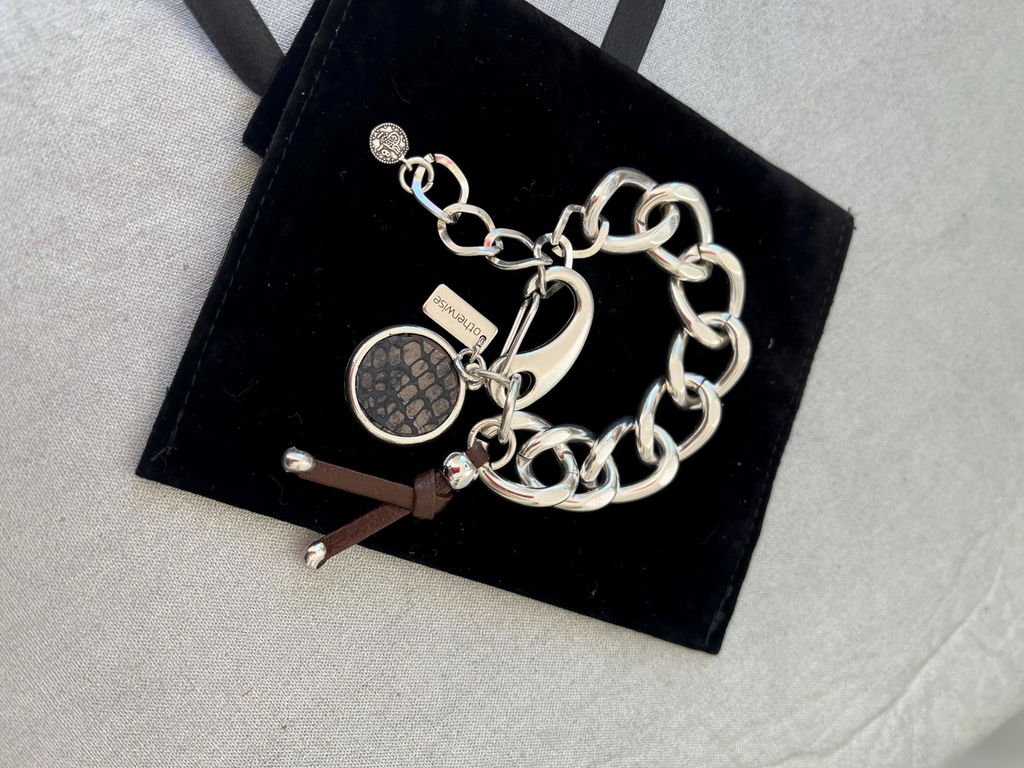
Handmade Jewelry Care Tips That Protect Your Edge
Your jewelry is not meant to disappear into the background. It is the sharp finish on a simple black dress, the confidence behind a bare wrist, the detail that makes people look twice. These handmade jewelry care tips help protect the pieces that carry your presence - without treating them like fragile museum objects.
Handmade jewelry has character because it is made from real, expressive materials. Leather develops a lived-in feel. Metal catches the light differently over time. Pearls, crystals, beads, and gold-plated details each bring their own energy, but they also respond differently to water, friction, body oils, fragrance, and storage. Care is not about being precious. It is about keeping your statement intact.
The Rule That Changes Everything: Last On, First Off
Make jewelry the final move in getting dressed. Apply lotion, sunscreen, perfume, hairspray, and makeup first, then put on your earrings, rings, bracelets, or necklace. Those everyday products can leave a film on metal and crystals, dull pearls, weaken plating, or stain leather.
At the end of the day, reverse the order. Take jewelry off before changing clothes, removing makeup, or starting your nighttime routine. A necklace can catch in a sweater, and a bold ring can take an unnecessary hit against a zipper or countertop. Your pieces are made to be noticed, not tested by avoidable collisions.
This simple habit matters most for layered looks. When several chains, bangles, or bracelets come off at once, separate them before setting them down. A few seconds of intention can prevent tangles, scratches, and bent findings.
Handmade Jewelry Care Tips by Material
There is no single cleaning method for every piece. A crystal necklace should not be treated like a leather cuff, and a pearl strand does not want the same attention as a stainless steel bangle. Let the material lead.
Leather Needs a Dry, Light Touch
Leather jewelry is naturally expressive. It can look even better as it develops subtle character, but moisture is where problems start. Do not shower, swim, or work out in leather pieces. Water can stiffen the material, alter its color, and affect glued or wrapped details.
If your leather bracelet or necklace picks up dust, wipe it gently with a soft, dry cloth. For a small mark, use a barely damp cloth and test an inconspicuous area first. Never soak it, scrub it, or use household cleaners. Let it air-dry away from direct heat, which can cause cracking or warping.
Metal and Gold-Plated Details Need Gentle Polishing
Metal jewelry can handle a little more, but “more” does not mean anything goes. Wipe pieces after wear with a clean, soft microfiber cloth to remove fingerprints, sweat, and residue. This keeps shine where it belongs - on your look, not hidden under buildup.
Gold-plated jewelry deserves an especially soft approach. Abrasive polishing cloths, toothpaste, baking soda, and harsh jewelry dips can wear through the plating. Use a dry microfiber cloth first. If it needs more attention, lightly dampen a soft cloth with water, wipe carefully, and dry immediately.
Tarnish can happen with some metals, especially in humid environments. It is a normal reaction, not a sign that your piece has lost its power. Keep metal dry, store it separately when possible, and avoid exposing it to cleaning products or chlorine.
Pearls Prefer Softness Over Shine
Pearls are not meant to look like polished metal. Their glow is softer, warmer, and easier to damage with chemicals. Put pearl jewelry on after fragrance and cosmetics, then wipe it with a soft dry cloth after wearing it.
Never soak pearls or place them in an ultrasonic cleaner. The surface can be damaged, and moisture may weaken the silk or thread used in some designs. Store pearl pieces flat or in a soft pouch instead of hanging them, which can stretch a strand over time.
Crystals and Beads Need Careful Cleaning
Crystals earn their place in a statement look by catching every bit of light. Keep that effect clear with a soft, lint-free cloth. For residue around settings, use a dry, very soft brush and work gently. Avoid soaking crystal jewelry because water can loosen adhesive-backed stones or affect delicate construction.
Beaded jewelry should also stay away from long exposure to water. Thread, elastic, wire, and knots can weaken over time, especially when exposed to soap, saltwater, or pool chemicals. If a bead piece gets wet unexpectedly, pat it dry and lay it flat until fully dry. Do not hang it while damp, since the weight can pull at the stringing material.
Know When to Take It Off
A powerful accessory should keep up with your life, but it does not need to join every activity. Remove handmade jewelry before showering, swimming, exercising, cleaning, gardening, or using hair dye. Chlorine, salt, sweat, and cleaning chemicals are hard on nearly every material.
There are exceptions based on construction, but caution wins when you are unsure. A solid metal piece may tolerate more than a leather-and-crystal design. Even then, daily exposure to water and product residue will shorten its brightest years.
Also consider the activity, not just the material. A stack of bangles may be perfect for dinner but risky during a workout where repeated impact can scratch surfaces or bend shapes. Save your boldest pieces for the moments when they can own the room without fighting the environment.
Store Pieces So They Stay Ready
The fastest way to damage handmade jewelry is to toss it all into one drawer. Chains knot. Crystals scratch metal. Earrings lose their partners. Leather gets crushed under heavier pieces. Your storage setup does not need to be elaborate, but it should give each piece a little breathing room.
Use soft pouches, lined compartments, or small individual bags for pieces that could rub together. Keep necklaces fastened when possible, then lay them flat or hang them with enough space to prevent tangling. Store rings and earrings in separate sections, especially if they include crystals or pearl details.
Humidity is another quiet troublemaker. Avoid storing jewelry in a steamy bathroom or near an open window. A cool, dry drawer or jewelry box is a better home. For metal pieces prone to tarnish, an anti-tarnish strip in your storage area can help reduce exposure to moisture in the air.
Do not store jewelry in direct sunlight. Leather can fade, and some materials can become dry or brittle after prolonged heat. Your collection deserves a place that protects its color, shape, and attitude between wears.
Treat Small Repairs Like Style Preservation
A loose clasp, stretched elastic, missing stone, or bent hook does not mean a piece is finished. It means it needs attention before a small issue becomes a lost favorite. Stop wearing a damaged piece until it can be assessed. Continuing to wear it can turn a quick repair into a complete rebuild.
Check the moving parts of frequently worn jewelry every few weeks. Look at clasps, jump rings, earring backs, links, knots, and stone settings. If something feels loose, catches on fabric, or sits differently than usual, do not ignore it. Handmade details are often repairable when addressed early.
For sentimental or highly detailed pieces, choose a jeweler or repair specialist familiar with mixed materials. Metalwork, leatherwork, beading, plating, and pearl stringing require different skills. The right repair protects the original personality of the piece instead of replacing it with something generic.
Let Your Jewelry Have a Rotation
Wearing a favorite piece often is the point. Still, giving it an occasional rest can extend its life, especially for rings, bracelets, and earrings that meet skin, surfaces, and movement all day. Rotate your go-to styles rather than making one piece carry every outfit, every commute, and every night out.
That does not mean saving your strongest jewelry for a someday that never arrives. Wear the necklace that changes your posture. Put on the ring that makes a neutral outfit feel deliberate. Choose the earrings that make your face the focal point. Just give each piece the care that lets it return, again and again, ready to make its entrance.
Your jewelry is part of how you take up space. Keep it clean, dry, protected, and unapologetically in rotation - then wear it like being seen was always the plan.