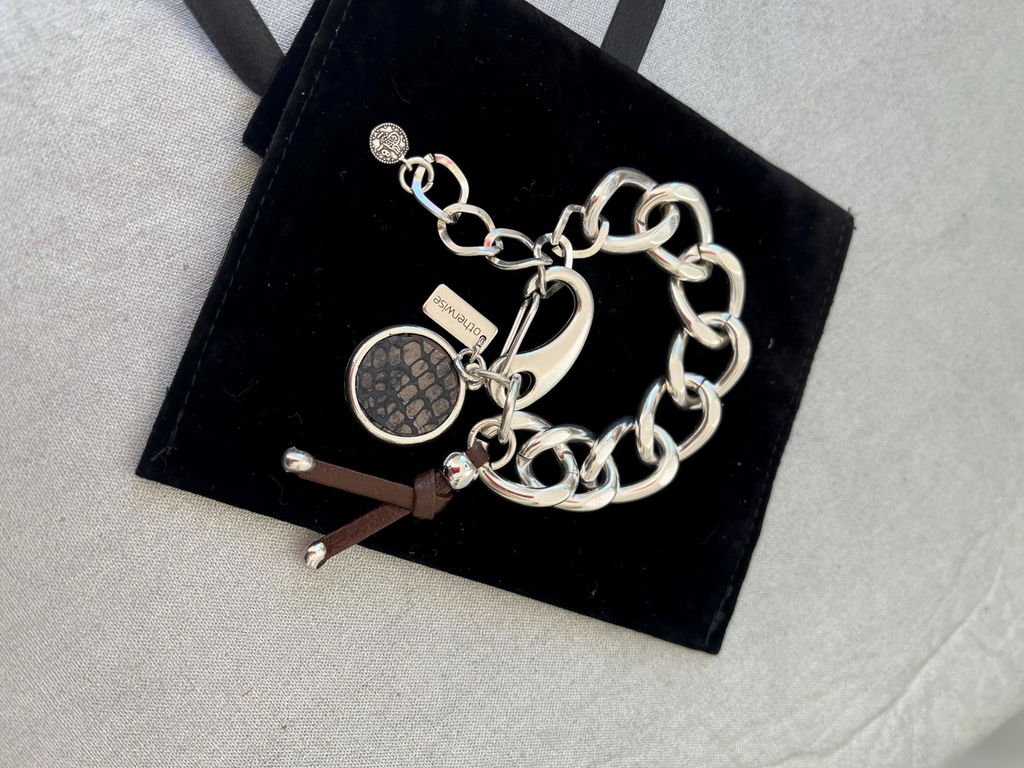
Leather Bracelet Care at Home: Keep It Bold
A leather bracelet earns its place in your rotation because it does more than finish an outfit. It adds texture, edge, and intention to a bare wrist, a white shirt, a black dress, or a stacked-metal look. But leather is not a material you can ignore forever. Thoughtful leather bracelet care at home keeps that piece looking deliberate instead of tired, so it continues to say exactly what you want it to say.
The goal is not to make leather look factory-new. A little softness and character can make a bracelet feel more personal. The goal is to prevent the kind of wear that dulls its color, cracks its surface, stains its finish, or weakens the details that make it stand out.
Know What Kind of Leather You’re Wearing
Before you clean anything, look closely at the bracelet. Smooth leather, braided leather, suede, distressed leather, and coated leather do not react the same way to water or conditioner. If your bracelet has metal hardware, crystals, pearls, beads, or gold-plated accents, those materials need their own care too.
Smooth, finished leather is usually the easiest to maintain at home. It can handle a light wipe-down and a small amount of conditioner. Suede and nubuck have a softer, brushed surface and can darken or stiffen if treated with a cream conditioner. Distressed leather is meant to have variation, so trying to erase every mark may take away the character that made you choose it.
If you are unsure, start small. Test any product on the inside of the strap, under a clasp, or another hidden area. Leather can react differently depending on its dye, finish, and age. A tiny test is far better than turning a bold accessory into a repair project.
Leather Bracelet Care at Home Starts With Less
The biggest mistake is over-cleaning. Leather does not need a weekly treatment routine. In fact, too much water, soap, or conditioner can leave it limp, dark, sticky, or uneven.
For everyday maintenance, use a dry, soft microfiber cloth to gently remove dust and skin oils. Do this after a day of wear if the bracelet has been against sunscreen, fragrance, sweat, or makeup. Pay attention to the edges, closure area, and the underside that rests against your skin.
When it needs more than a dry wipe, dampen a clean cloth with a very small amount of water. It should feel barely damp, never wet. Wipe the leather with light pressure, then let it air-dry flat in a shaded, well-ventilated spot. Do not wear it until it is fully dry.
Never soak a leather bracelet, run it under the faucet, or leave it on a wet counter. Leather absorbs moisture unevenly, which can lead to stiffness, warping, water marks, and weakened glue or stitching.
What to Keep Away From Your Bracelet
Leather looks strongest when you protect it from the everyday things that quietly break it down. Remove your bracelet before showering, swimming, exercising hard, washing dishes, or using cleaning products. Chlorine, saltwater, and household chemicals are especially rough on both leather and metal components.
Fragrance and lotion deserve the same caution. Apply them first, let them settle into your skin, and then put on your bracelet. This small habit helps prevent dark patches and buildup on the inside of the band. If you love stacking leather with plated metal or crystal pieces, it also keeps residues from collecting around the details.
Direct heat is another enemy. Never speed-dry leather with a hair dryer, radiator, heater, or direct sun. Heat strips natural moisture from the fibers, making the bracelet more likely to crack. Give it time. A confident look never needs to be rushed.
How to Condition Smooth Leather Without Overdoing It
Conditioner can revive smooth leather that feels dry, looks faded, or has lost its flexible feel. It is not necessary after every cleaning. For most bracelets, conditioning every few months is plenty, and less is often better for pieces you wear occasionally.
Choose a leather conditioner made for finished leather, ideally one without heavy waxes, strong fragrance, or added color. Put a pinhead-sized amount on a soft cloth, then work it into the leather in small, gentle circles. You are feeding the surface, not saturating it.
Let the bracelet rest for several hours, then buff away any excess with a dry cloth. If it still feels dry, wait a day before deciding whether it needs another tiny application. Adding more immediately can create a greasy finish that attracts dust and transfers onto clothing.
Avoid household shortcuts like olive oil, coconut oil, petroleum jelly, or hand lotion. They may seem harmless, but they can darken leather, leave an oily residue, and eventually attract grime. Your bracelet deserves better than a kitchen experiment.
Special Care for Suede, Braided, and Mixed-Material Styles
Suede needs a lighter hand. Use a soft suede brush or a clean, dry toothbrush to lift dust and restore the nap. Brush in one direction, then lightly brush back if needed. For a small dry mark, a suede eraser can help, but test it first because some dyes are sensitive.
Braided leather holds onto dust and lotion in the tiny spaces between strands. Use a dry, soft brush to clean those areas rather than forcing moisture into the braid. If a braided bracelet gets truly dirty, professional cleaning may be the safer choice, especially when the braid is fine or the closure is delicate.
For mixed-material bracelets, keep cleaning products off the accents whenever possible. Wipe metal hardware with a separate dry cloth. Crystals, pearls, and beads can scratch or lose their finish when exposed to leather conditioners or harsh cleaners. Clean the leather around them slowly, using only the smallest amount of moisture.
Deal With Stains Before They Set In
A stain does not mean the bracelet is finished. It does mean you should act carefully and quickly. Blot fresh spills with a dry cloth. Do not rub, because rubbing pushes the stain deeper into the leather and can spread it outward.
For an oil spot, place a little cornstarch or talc-free absorbent powder over the area and leave it overnight. Brush it away gently the next day. It may take more than one treatment, and some deep oil stains will leave a subtle shadow. That is one of the trade-offs of real leather: it has a memory.
For ink, dye transfer, or a stubborn unknown stain, skip the internet hacks. Alcohol, acetone, nail polish remover, bleach, and disinfecting wipes can strip color and damage the finish within seconds. A leather specialist is the better move when the bracelet is sentimental, highly detailed, light-colored, or expensive.
Store the Piece Like It Matters
How you store your bracelet affects how it looks when you reach for it next week. Keep it in a cool, dry place away from direct sunlight. A soft pouch or lined jewelry box protects it from dust and scratches while allowing the material to breathe.
Do not compress leather under heavy jewelry or fold it sharply around a display stand that is too narrow. Flat storage is ideal for many bracelet styles. If you prefer to clasp it for storage, make sure the curve is natural and loose, not strained.
If you live somewhere humid, do not seal leather in plastic for long periods. Trapped moisture can encourage mildew and leave an unpleasant smell. In very dry conditions, check your favorite pieces occasionally for stiffness and condition only when they genuinely need it.
A leather bracelet should look lived in, not worn out. Give it a gentle wipe, keep water and heat out of the story, and let its natural character build over time. The best statement pieces do not disappear into your look - they become part of the presence you bring with you.